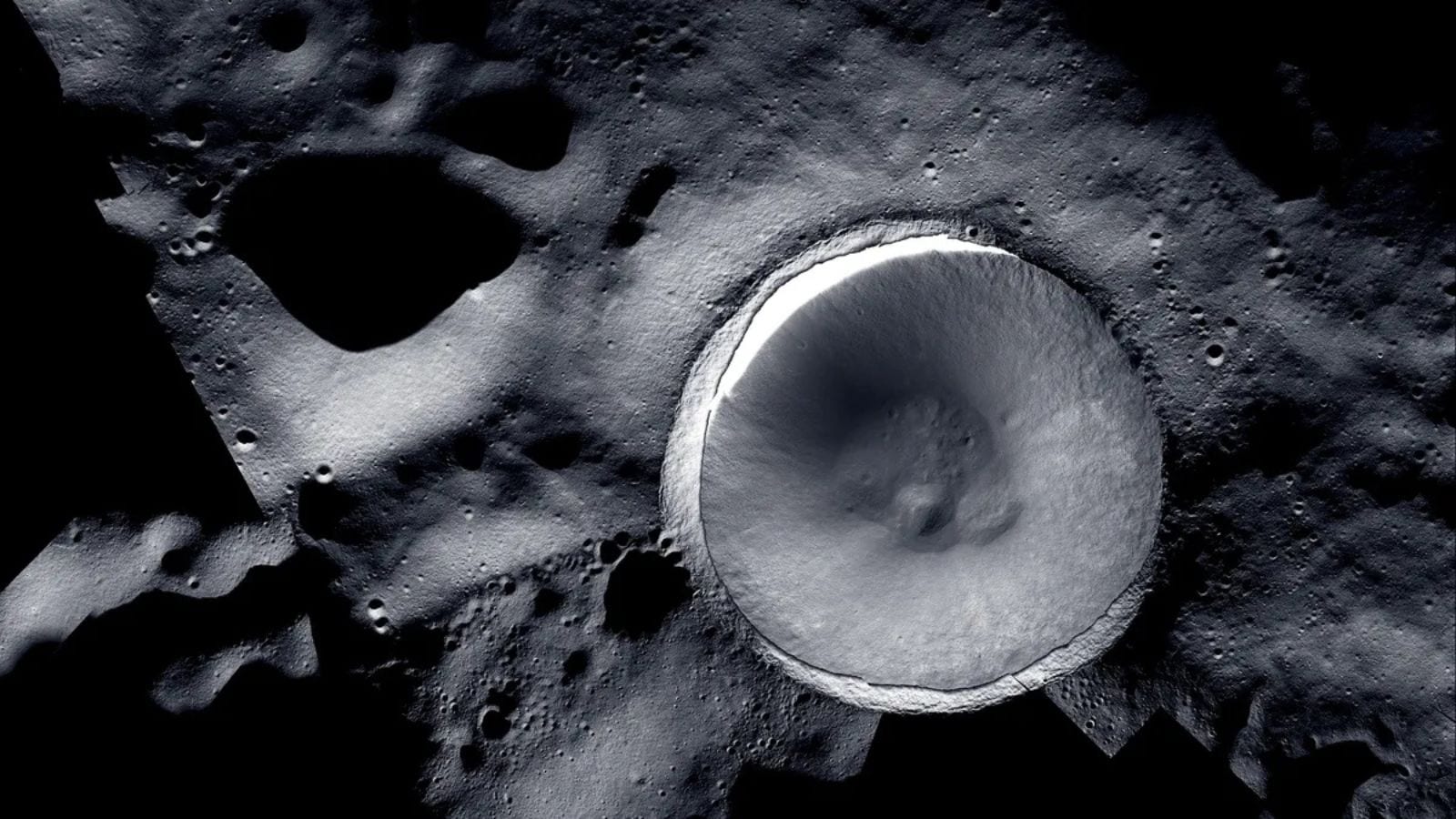
Moon’s oldest craters hiding 3-billion-year-old secret that could fuel future expeditions
Indian Express·1d ago·Neutral
What Happened
Research reveals water ice concentrates in the Moon's oldest, permanently shadowed craters near the south pole. Scientists discovered the Moon's tilt changes over billions of years, causing some craters to lose ice through sublimation while others accumulated it continuously. Haworth crater, shadowed for over three billion years, shows strong ice signals. The findings suggest water accumulated gradually through comet collisions, asteroids, volcanic activity, and solar wind interactions rather than single events. Water ice is crucial for future lunar missions.
Key Entities
MoonWater IceSouth PoleHaworth CraterPaul HayneNature JournalArtemis IIApollo MissionsLunar Reconnaissance Orbiter